
Montgomery Historical Society teamed up with St. John Lutheran Church for a unique night of history on Wednesday, June 24. A little over 50 people showed up for the occasion.
Attendees were greeted with a display of photos of places visited in Greece and memorabilia and information about the church’s history. Everyone then dished up with a traditional Greek salad with olive oil, olives, feta, cucumbers, onions, peppers, and tomatoes, and a tubular pasta dish pastitsio, similar to lasagna, that had a few layers including bucatini pasta, warmly spiced ground beef, a béchamel sauce with cheese.
The 6 p.m. meal in the church community room was somewhat of a warm welcome and a gift to everyone that was prepared by some of the 18 members of the church and community that took a missionary trip to Greece in April this year, who had taken a cooking class while there.
Motivation for the adults-only missionary trip stemmed from... Portion omitted for free public consumption.
St. John’s history lesson
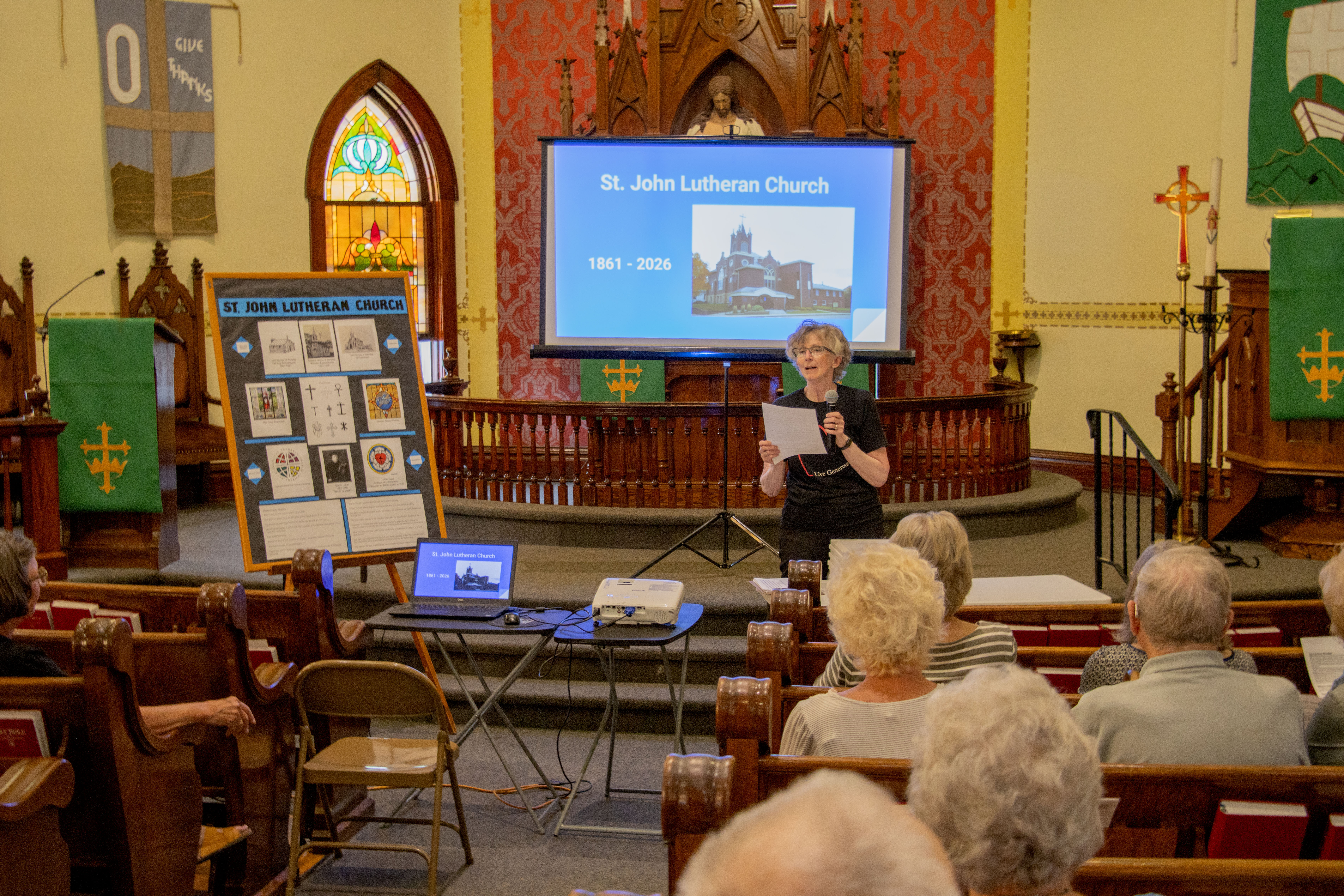
Church member Kathy Heyda gave an hour presentation in the church’s sanctuary following the meal, where the Apostle Paul is tied into St. John Lutheran Church. According to Heyda, from 1861 to 1913, the church was called St. Paulus Church, often referred to as the German Lutheran Church.
The church was formed by primarily German settlers in 1861, and the German translation from English for the Apostle Paul was Paulus.
German ancestors of the church traveled to the United States in the 1850’s and 1860’s by sailing ship and mostly came from the town of Wehrsdorf on the far east-central side of the country. During that time period, Heyda said that land was hard to get, the town was overcrowded, many were tired of having to be in war, jobs were hard to find in the town for those selling their farms and moving to the city, and men were also limited by the government to being married only if they owned land or were employed craftsman.
Land speculators competed for immigrants to come to the United States, as well, promising good cheap land here. Many took the opportunity and settled in places that seemed familiar to their home land. The Big Woods area here was a good fit for many and where the ancestors of the church ended up residing, many of them were Richters. Heyda even joked, “Montgomery should have maybe been called ‘Richterville.’” The Homestead Act of 1862 helped in many immigrating here as well.
The church was organized in 1861 by... Portion omitted for free public consumption.
To read the full story, pick up a copy of the July 2, 2026, Montgomery Messenger at a newsstand near you. Subscribe or renew your subscription online or by phone at 952-758-4435 to not miss any news in the future! Support local journalism and subscribe and advertise with us.
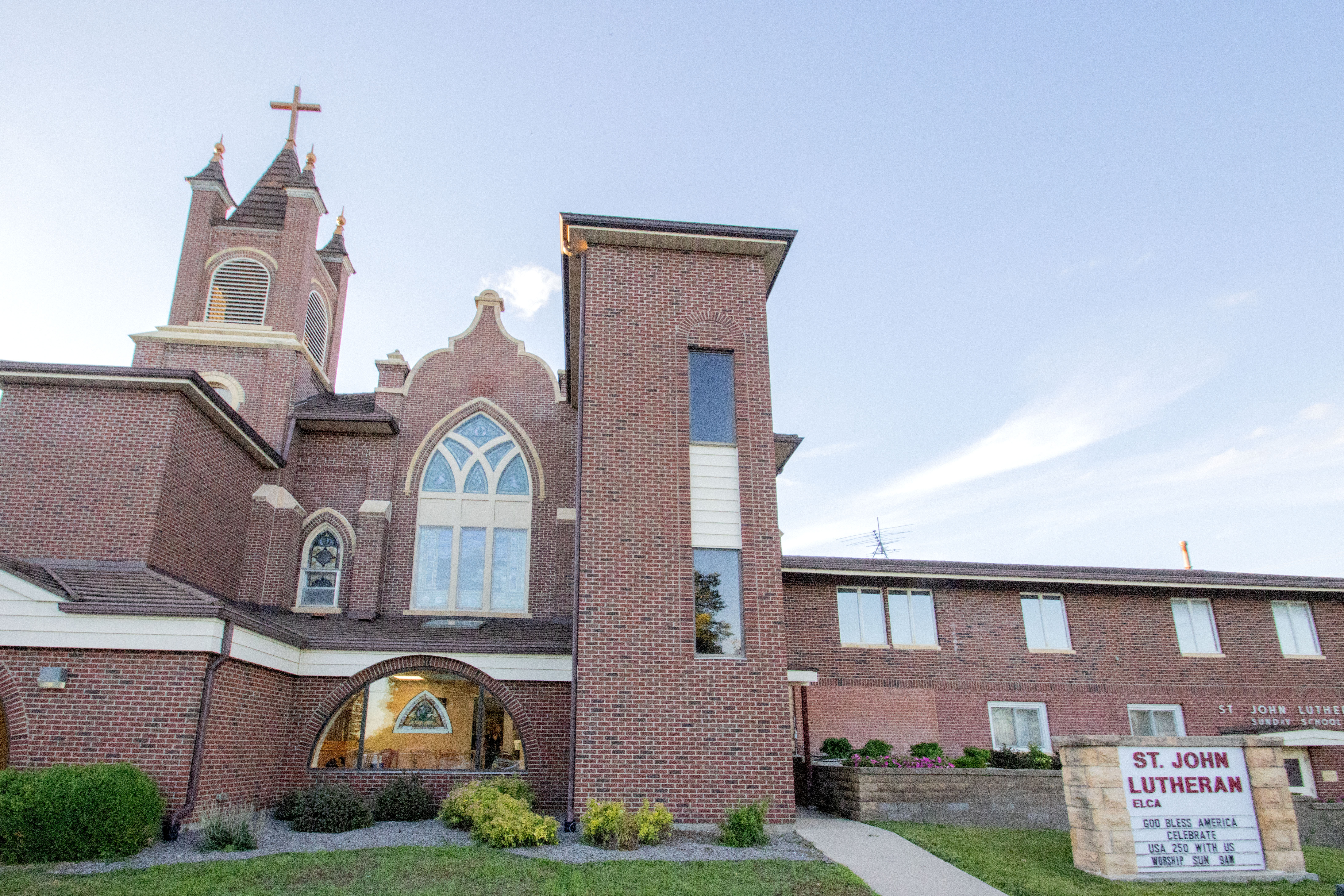
The present-day St. John Lutheran Church and School in Montgomery.
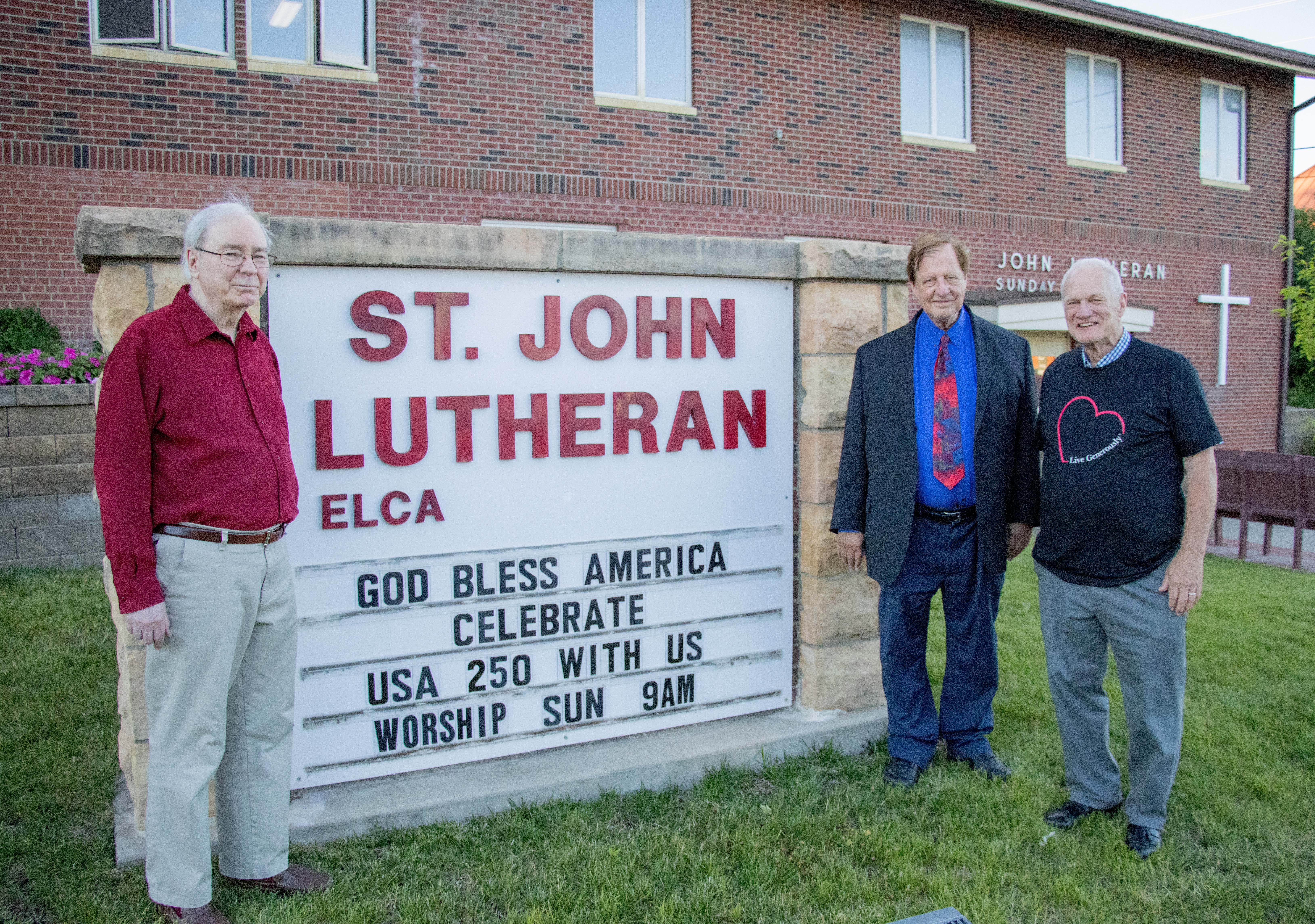
Pictured, from the left, are former pastors of the church Robert Rendahl (1997-2010) and Dr. Mark Wilms (Interim 2015-2016), and current bridge interim pastor Dave Wall were present for the occasion.
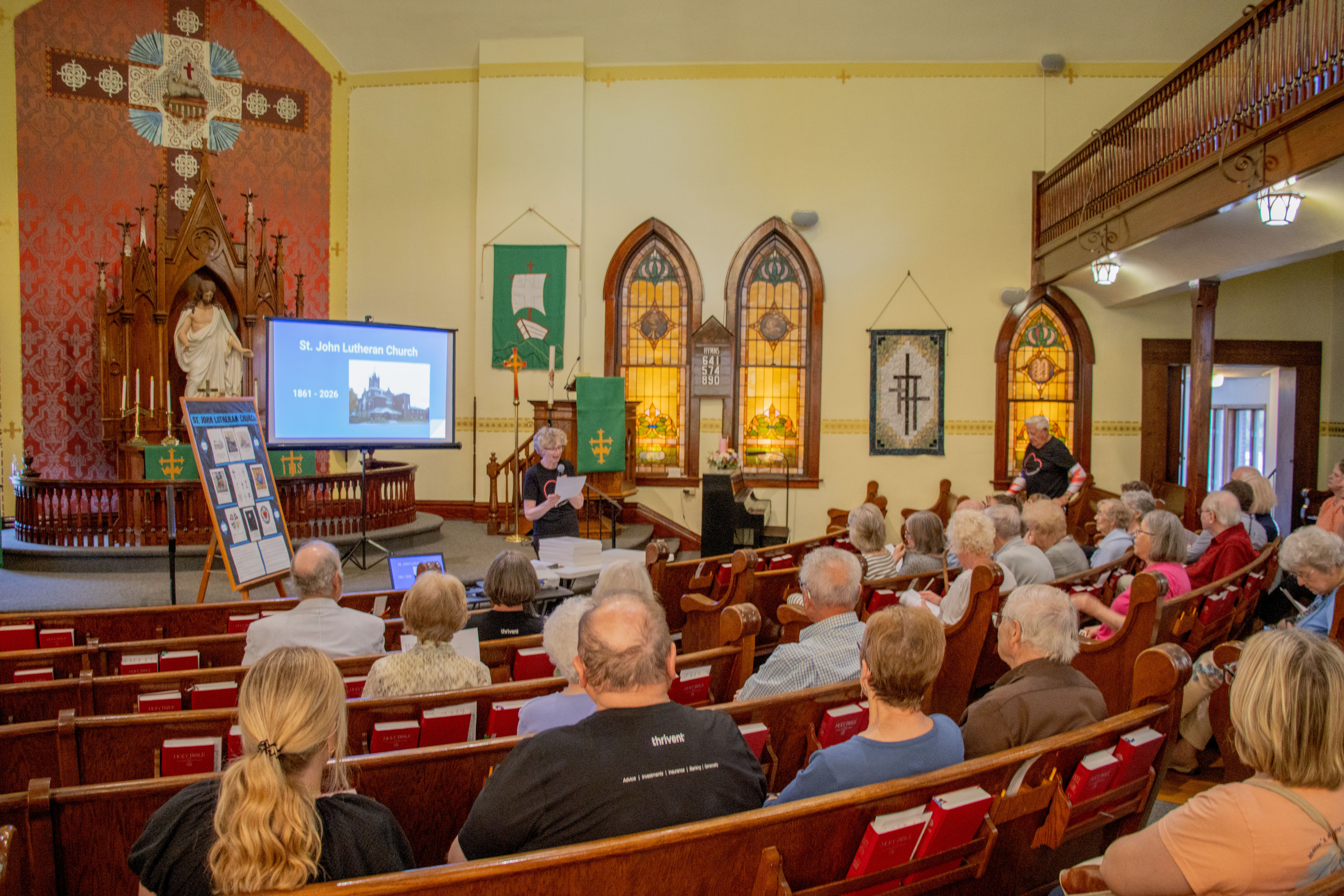
Audience for Heyda's presentation.
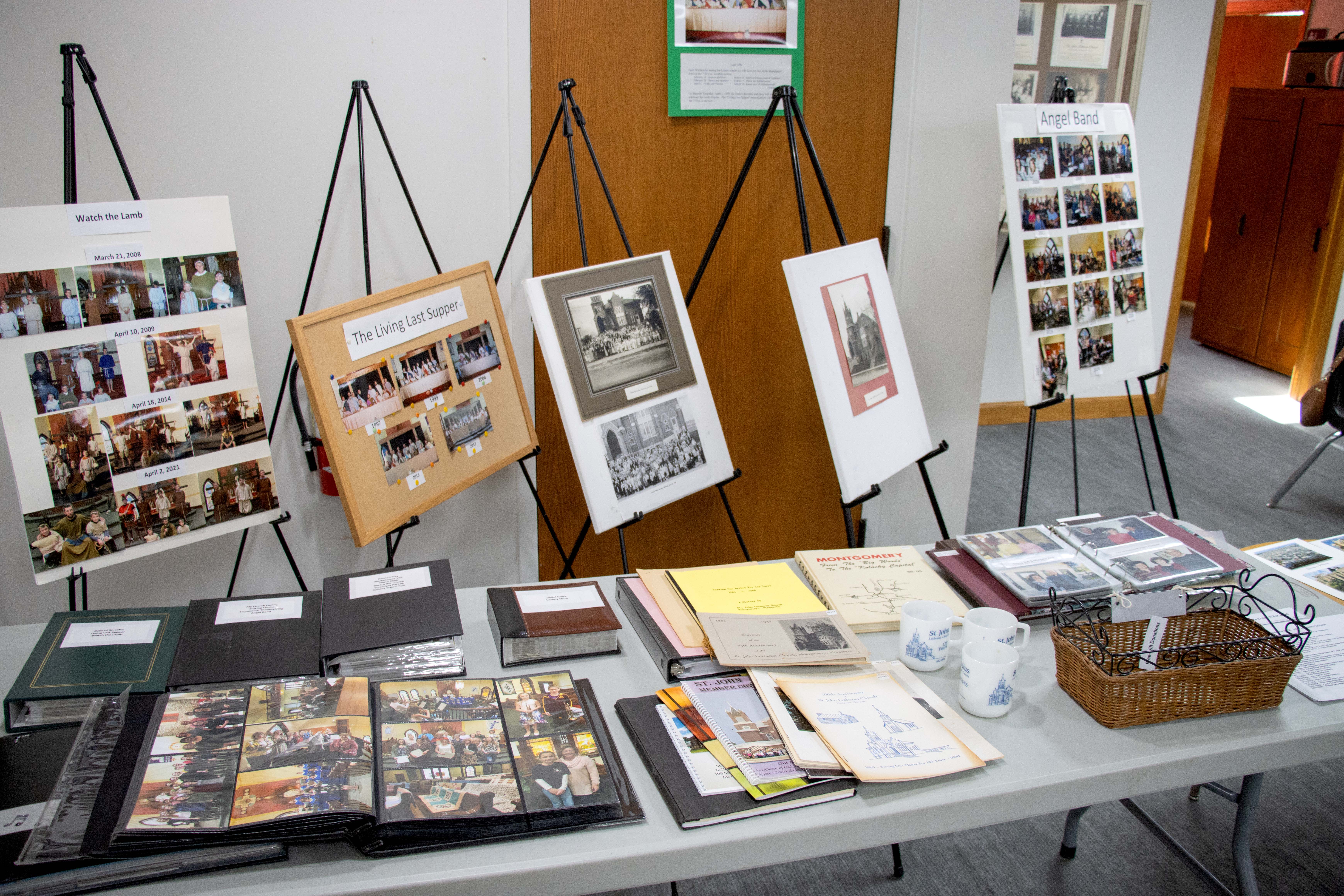
Display of the church history and of the members visit to Greece.
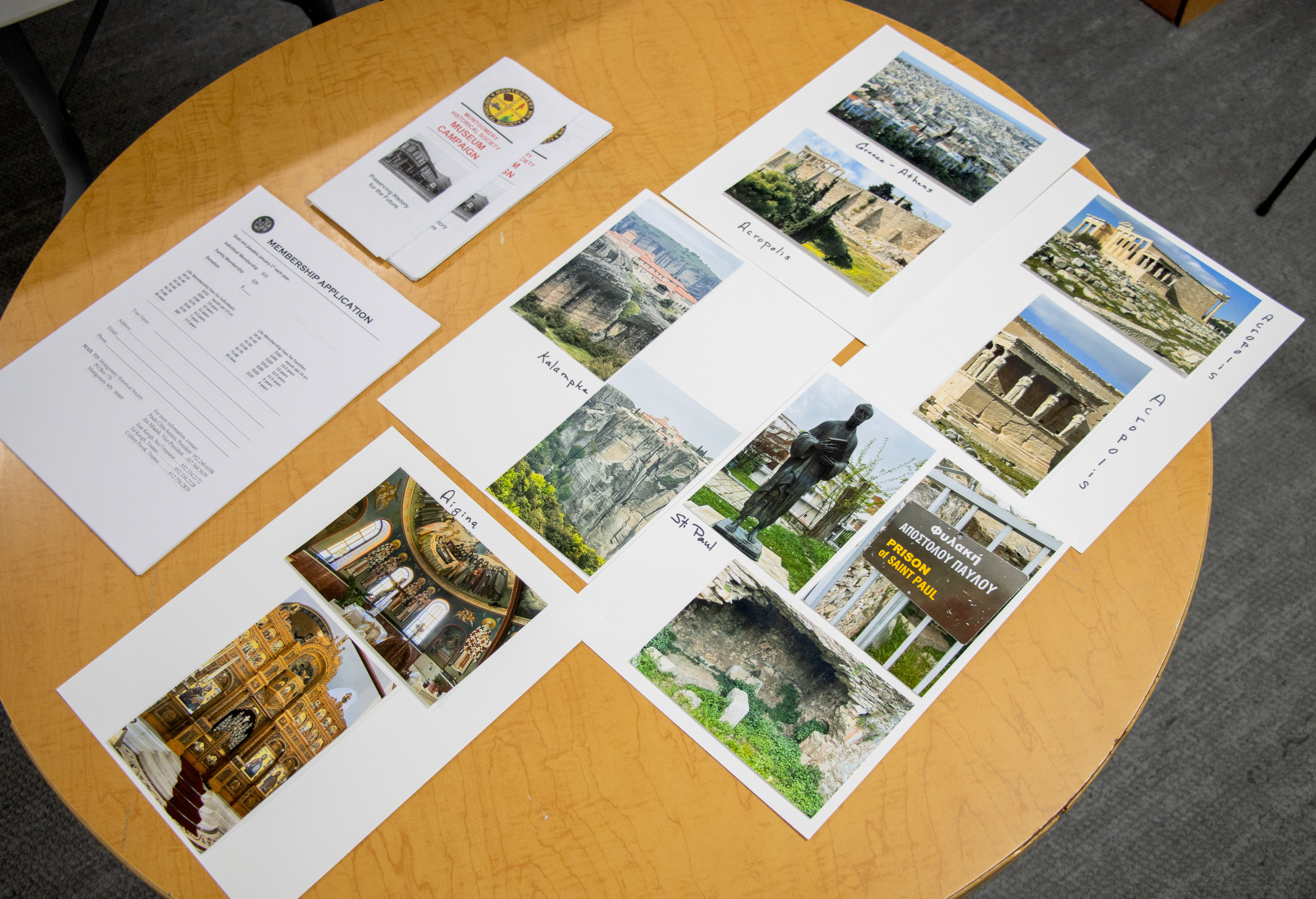
Pictures from the members' trip to Greece.

Traditional Greek salad and pastitsio that was served before the presentation.
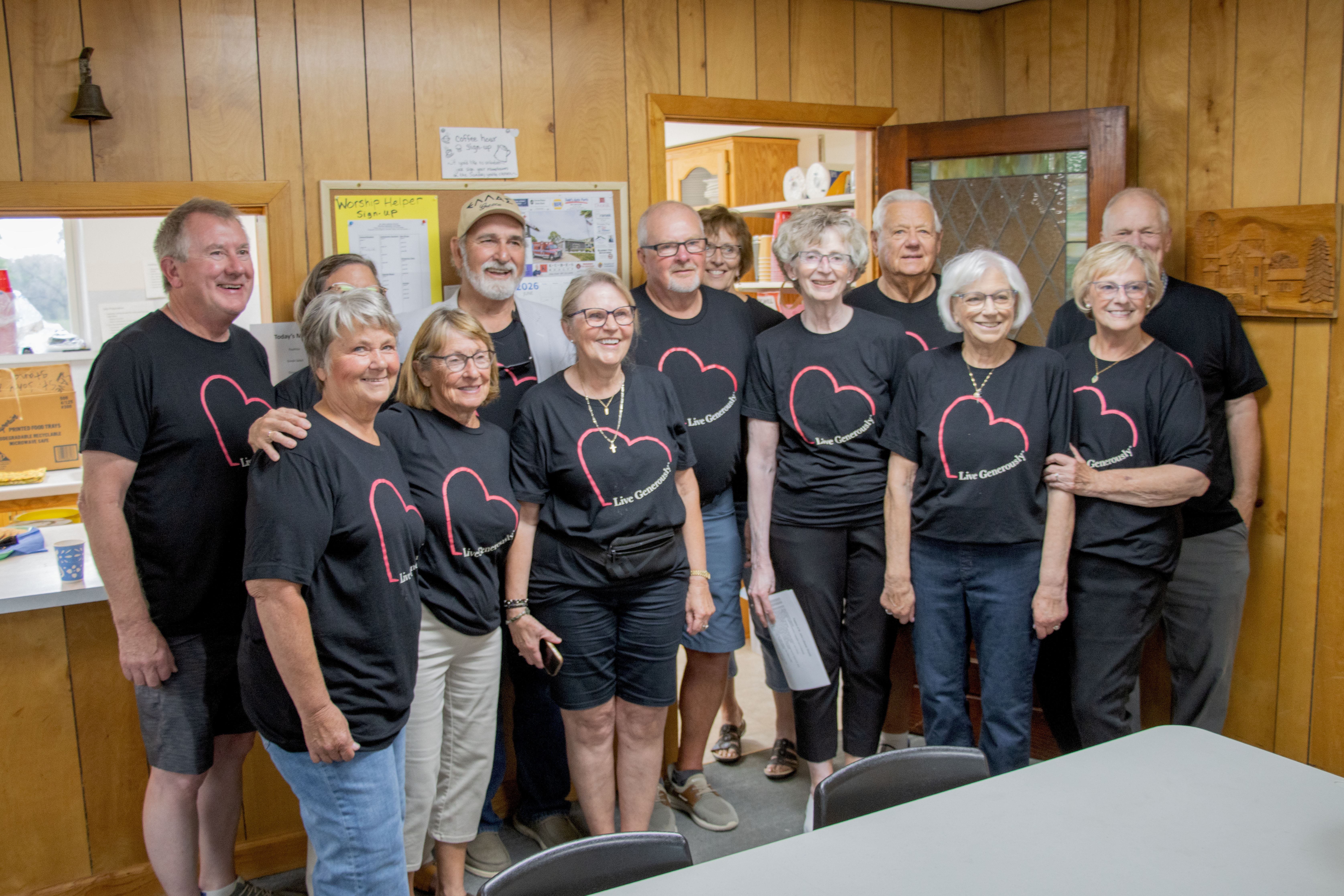
A group of volunteers from the St. John Lutheran Church gather for a photo.
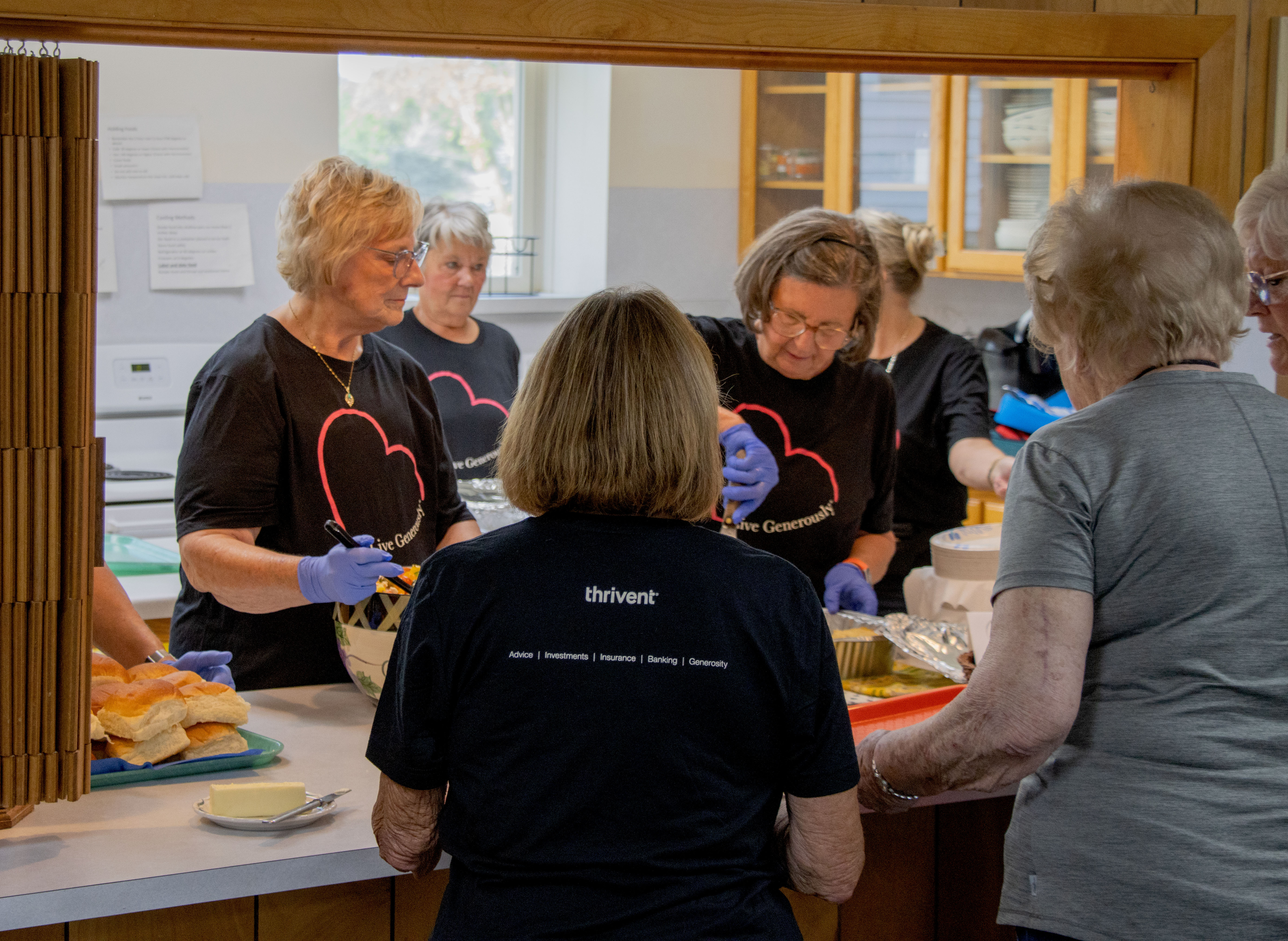
Volunteers serve up food before the presentation.
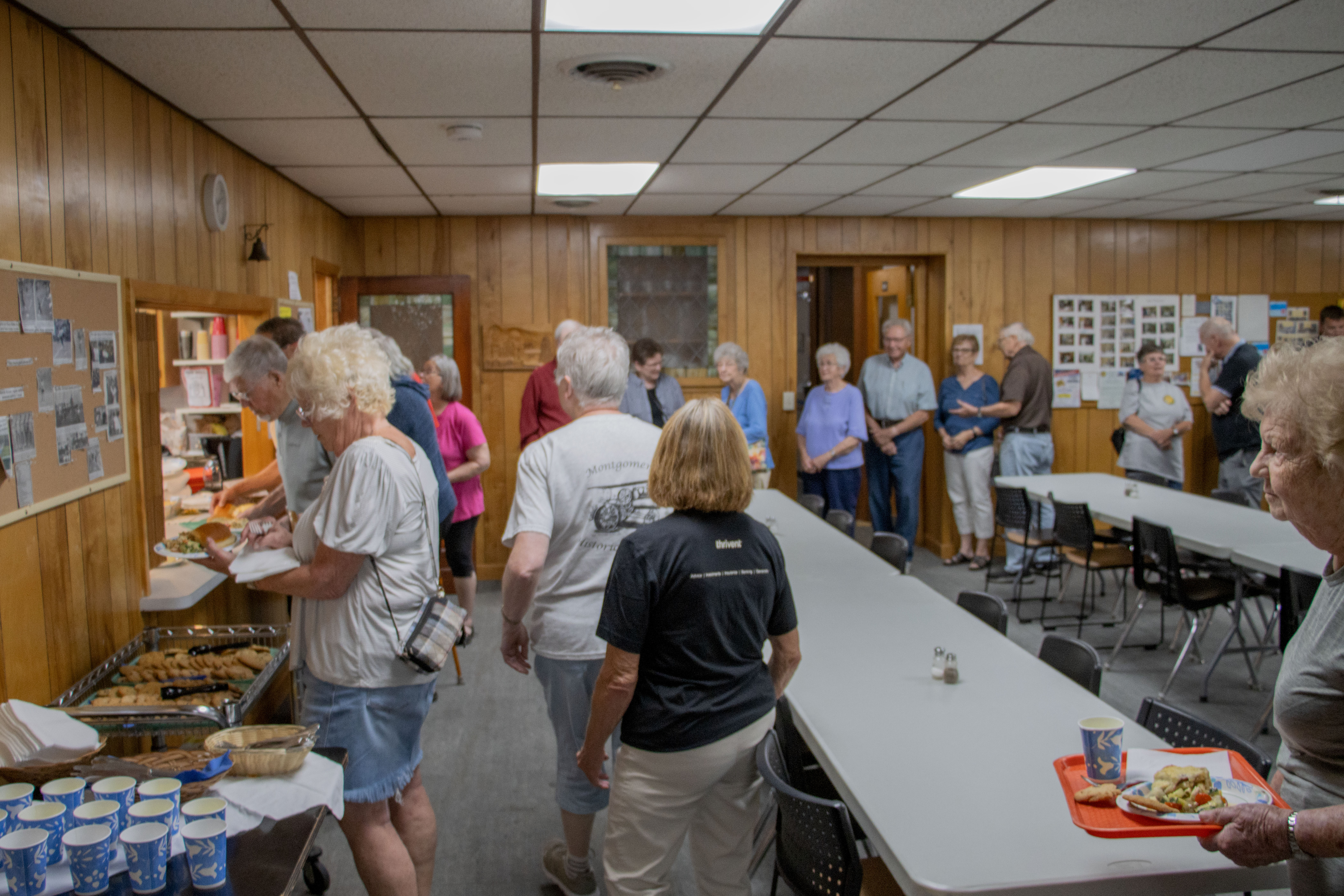
Volunteers serve up food before the presentation.